All posts by SEO SR

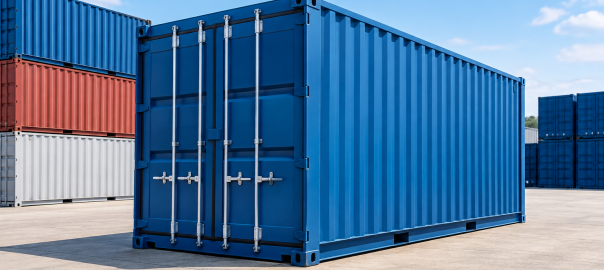
Shipping Containers Support Event Logistics

How Shipping Containers Support Event Logistics and Temporary Storage

Bump-in day at a festival or expo rarely goes to plan. Staging turns up from one supplier, bar stock from another and merchandise from a third, and all of it needs somewhere dry and lockable to sit until the gates open.

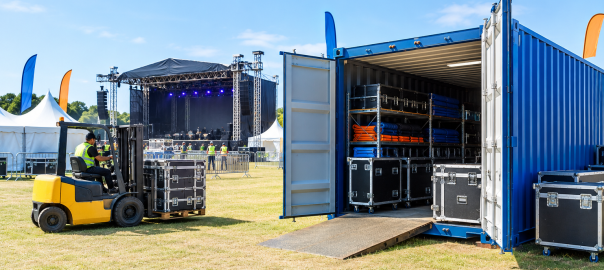
A shipping container sorts that out in one move. It arrives on site already loaded, stays put as a secure store for the length of the event, then leaves loaded once you pack down.

Event freight is a big part of what we do at Moving Containers, alongside container transport, hire and storage spanning 21 depots around Australia. Below, we cover why containers suit events, which sizes fit which jobs, and how to use them for temporary storage before and after the big day.

Why event organisers rely on containers

Most event gear spends more time sitting still than travelling. A container suits that pattern, because the same steel box is built to ride on a truck or rail wagon and to sit outdoors in the weather with its doors locked.

That cuts out double handling. Instead of unloading a truck into a marquee and reloading it on the last night, your crew packs once at the warehouse and unpacks once on site. Over a three-day field day, or a tour across several venues, those saved hours add up.

Security is the other big win. A locked container is a much harder target overnight than a tent full of sound gear or stock, and it keeps everything out of the rain.

We see this across music festivals, agricultural shows and field days, sporting grand finals, corporate expos, product launches and emergency response deployments. Each site is different, so we plan around the event rather than following a fixed template.

Choosing the right container for your event

The right size comes down to what you’re storing and how much room the site gives you. Our range of shipping container sizes runs from 10ft through to 40ft, and these are the ones event clients use most.

A standard 20ft unit is about 6 metres long, so it fits behind most stages and in most back-of-house areas. If space is tight, two 20ft units are often easier to place than one 40ft.

Refrigerated containers are worth planning early for summer events. Every reefer we supply is regularly serviced and monitored, so drinks and catering stock hold temperature through transport and on-site.

Turning a container into part of the event

A container doesn’t have to hide behind the back-of-house fence. Our in-house design team and tradespeople have turned containers into pop-up shops, bar lounges and display centres, then branded the outside so the unit arrives ready to represent your event or activation.

For touring brands, a shipping container built this way is the stall, the storeroom and the freight unit all at once. Because the design and fit-out happen in-house, tight deadlines and short turnarounds are easier to meet.

On roadshows, we also move staging and audio-visual equipment as freight alongside your containers and coordinate the schedule between cities, so the whole kit turns up at each venue together.

Temporary storage before, during and after the event

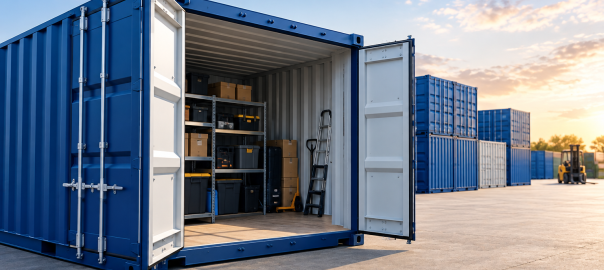
Storage is where containers quietly earn their keep. During a multi-day event, a container on site holds equipment, stock and merchandise overnight. Short-term hire covers the load-in and pack-down period, and the container goes back once the event wraps up.

Between events, your gear can stay packed in a container at one of our depots instead of a rented warehouse. When the next show comes around, we deliver it straight to the venue, which saves unloading and reloading for every leg of a tour.

The same idea works well beyond events. Builders use a lockable shipping container as a site store, households use one during renovations or a move between homes, and businesses use them for seasonal stock. A hire can run for a few weeks or several months.

Site and booking tips that save headaches

Most container problems at events start before the truck arrives. A little planning avoids nearly all of them.

  1. Check access early. Measure gate widths, look up for power lines and overhanging trees, and pick a firm, level spot. Soft ground after rain catches out plenty of outdoor venues.
  2. Ask about permits. If the container will sit on a road, footpath or council land, check with the local council first, since rules differ from one council to the next.
  3. Book ahead of peak season. Spring and summer are busy for outdoor events, and December fills up fast. If plans change late, our depots can handle late bookings and emergency transport requests.
  4. Plan the pack-down as carefully as the bump-in. Label what goes where, so each container leaves in the order the next site needs it.
  5. Pick road or rail for interstate legs. We move containers by both, depending on the route and how much time you have.


Plan your event containers with us

From a single 20ft store at a country show to a fleet of branded units on a national roadshow, Moving Containers handles the transport, hire and storage under one roof. Tell us your dates, site and gear list, and we’ll recommend the right shipping container setup. Contact our team online or call 1300 588 115 for a quote.

Frequently asked questions

Can I hire a shipping container just for the length of an event?

Yes. Moving Containers offers short-term container hire that covers the load-in and pack-down period, with the container collected once the event wraps up. It suits festivals, expos, field days and sporting events, and doubles as lockable on-site storage for equipment, stock and merchandise while the event runs.

What size container do I need for event equipment?

A 20ft general purpose container suits most event loads, such as furniture, smaller staging and stock. A 40ft high cube suits bulky AV rigs and large staging, while a 10ft unit works as a small merchandise store on a tight site. Moving Containers can recommend a size once you outline your gear.

Can I keep food and drinks cold at an outdoor event?

Yes. A refrigerated container, or reefer, holds a set temperature for catering supplies, drinks and other perishables. Moving Containers supplies refrigerated containers from 20ft to 40ft, and each reefer is regularly serviced and monitored, so temperature control stays reliable through transport and on-site storage at the event.

Where can I store event gear between shows?

Moving Containers provides short and long-term container storage at 21 depots across Australia. Event equipment can stay packed in a container at a depot between shows, then be delivered to the next venue when needed. That saves unloading into a warehouse and reloading for every leg of a tour.
Shipping Container Hire and Storage

How to Choose a Reliable Shipping Container Hire and Storage Provider

Most people choose a container provider on price, then find out the real cost later. A door seal that leaks. A depot four hours from the site. A delivery truck that can’t get down the driveway. A cheap weekly rate doesn’t help much when your stock is sitting in a damp box.

Choosing a reliable container hire and storage provider comes down to five checks: the condition of the container, where the depots are, how the container gets to you, what the contract and insurance cover, and whether the provider can adjust when your plans change. This guide walks through each one for households between moves, builders who need site storage and businesses managing overflow stock.

Start with the container itself

A container is only as good as its seals. Before you hire, ask for photos of the actual unit you’ll get, or inspect it at the depot. Check the door rubbers, the floor and the roof for rust holes, and make sure the doors open and lock without a fight.

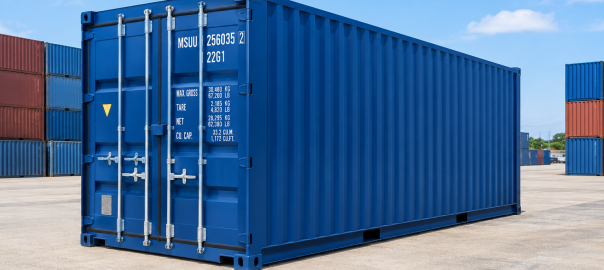
Then look for the safety approval plate, usually fixed near the doors. Containers approved under the International Convention for Safe Containers carry this plate, which records the unit’s tested technical data. A missing or unreadable plate means you know very little about the container’s history.

Size matters too. A good provider asks what you’re storing before recommending a size, rather than sending whatever is sitting in the yard. Moving Containers stocks units from 10ft right up to 40ft, including high cubes, side-opening containers and refrigerated units for temperature-sensitive goods.

Check where the depots actually are

Depot location affects cost more than most people expect. Delivery is usually priced on distance, so a provider with one yard in a capital city may charge a lot to reach a regional town.

Moving Containers runs 21 depots across Australia, so your container is likely to be collected and stored close to where you need it. You can find the nearest one on our depot locations page.

It’s also worth asking where your container will sit between jobs. Depot storage is often the better choice for container hire and storage during an interstate move. Plenty of our customers have a gap between leaving the old place and getting the keys to the new one, so we hold the packed container at a depot and deliver it when they’re ready.

Ask how the container gets to you

Hiring a container is the easy part. Moving it is where providers really differ.

Ask whether the company runs its own trucks or hands transport to a subcontractor, because every extra party in the chain is another place for a delivery date to slip. Check site access before delivery day too. The truck needs clear room to set the container down, and soft ground, low branches or a tight driveway can stop a delivery cold. Measure the space and tell the provider about it when you book.

Moving Containers moves containers by road with our own fleet of trucks and trailers, and by rail across Australia’s network for longer interstate runs. Our depots also handle late bookings and emergency transport requests, which helps when a builder’s schedule moves or a settlement date shifts.

Read the contract and insurance before you sign

Get three answers in writing: the minimum hire period, the cost of extending, and who is responsible if your goods are damaged. Don’t assume the provider’s insurance covers your contents. Insurance cover may differ depending on whether your belongings are at your property, stored at a depot or in transit, so check each situation.

We publish our insurance policy online so you can read it before you book, rather than after something goes wrong.

Choose a provider that can grow with you

Needs change halfway through a hire more often than you’d think. A renovation runs over. A business takes on extra stock before Christmas. An event decides it wants a branded container instead of a plain one.

A company that only rents boxes will send you elsewhere when that happens. Moving Containers handles container hire, sales, storage, interstate removals, commercial freight and container modifications under one roof, so the same team can adjust the plan without you starting again.

Ready to book your container?

Finding the right provider takes a few phone calls and some pointed questions, and it saves a lot of hassle later. If you’re after container hire and storage backed by a national depot network and an own transport fleet, Moving Containers is ready to help. Contact our team for a quote, or call 1300 588 115.

Frequently asked questions

How long can I hire a shipping container for storage?

Hire periods vary between providers. Moving Containers offers short-term and long-term container storage, from a few weeks during a renovation to several months between homes. Ask for the minimum hire period and the cost of extending before you book.

Is it better to store a container on my property or at a depot?

On-site storage suits renovations and building projects where you need daily access. Depot storage suits moves, where a packed container needs somewhere secure to wait between homes. Moving Containers can deliver to your property or hold the container at one of 21 depots across Australia.

What size shipping container do I need for storage?

A 20ft shipping container suits smaller moves and general storage, while a 40ft container suits larger relocations and commercial freight. Moving Containers stocks sizes from 10ft to 40ft, so tell our team what you plan to store and we’ll recommend a size.

Storage Containers

Storage Containers: What to Consider Before Hiring or Buying One

Whether you’re relocating a site, renovating premises, managing excess stock or coordinating a commercial project, having the right space can make a major difference. Storage can become complicated when you need somewhere secure and practical without committing to a permanent warehouse.

That’s where storage containers offer a flexible solution. Before you hire or buy one, however, it’s worth considering more than size and price. Your choice should reflect what you’re storing, how long you need the space, where the unit will be positioned and how it fits into your wider logistics plan.

Start With What You Need to Store

The purpose of the container should guide your decision. An office relocation may require a different solution from a construction project, business inventory or event.

Retailers may need extra space during a fit out or site move. Businesses can use containers for excess inventory, equipment or temporary storage, while event organisers may need secure space for merchandise, staging equipment and supplies.

Choose the Right Size

Size is one of the most important considerations. A container that is too small can leave you struggling to fit everything inside, while a much larger unit than necessary may increase costs.

Moving Containers offers options from 10-foot units through to larger 40-foot and specialised containers, giving customers flexibility for different applications. The right choice depends on the volume, dimensions and weight of your goods.

Consider how your items will be packed, stacked and accessed. If you’re unsure, getting advice before committing can help avoid choosing the wrong unit.

Should You Hire or Buy?

The answer largely depends on how long and how often you’ll use the container.

Hiring can be a practical choice for temporary needs such as renovations, relocations, seasonal stock increases or short-term projects. It can also help businesses manage changing requirements without tying up capital in equipment they may not need later.

Buying can make more sense when you expect ongoing use. For businesses with regular storage requirements, ownership can provide greater control over the unit and its long-term use.

Remember to look beyond the purchase or hire price. Delivery, collection, modifications, storage and the length of your requirement can all affect the overall cost.

Check Access and Delivery Requirements

A container is only useful if it can be delivered and positioned safely. Before arranging delivery, consider access to your site, available space, overhead clearance and the surface where the container will sit.

For commercial projects, consider site schedules, loading requirements and changing deadlines. A provider that can coordinate transport and storage can simplify the process.

Moving Containers has 21 depots across Australia and provides container transport, hire, sales and storage. Its nationwide capability can be particularly useful when a project involves multiple locations or interstate movement.

Consider Security and Protection

The condition and suitability of the container matter when you’re storing valuable equipment, equipment or stock. Look for a unit that is secure, weather-resistant and properly maintained.

Consider the conditions your goods require. Standard units suit many applications, while temperature-sensitive products may require refrigerated equipment. Other projects may benefit from side-opening, open-top or specialised designs.

If you don’t have suitable space on site, storage containers can be kept at a depot as a practical alternative. Moving Containers provides short- and long-term storage through its Australian depot network, allowing customers to discuss an arrangement suited to their requirements.

Think Beyond the Container

The container is only one part of the wider solution. If goods need to move between locations, you also need to consider loading, transport, storage and final delivery.

This matters for commercial projects and events, where deadlines, access restrictions and last-minute changes can create pressure. One provider coordinating several stages can make the job easier to manage.

Moving Containers takes an end-to-end approach, supporting container hire and sales alongside transport, storage, commercial freight, interstate removals and event logistics. This allows the conversation to focus on the customer’s actual problem, rather than simply supplying a container.

Do You Need a Customised Option?

Sometimes a standard unit is all you need but in other situations, modifications can make a container a lot more useful. Depending on the application, this might include additional doors, ventilation, branding or other design changes.

For businesses, customised units can support exhibitions, roadshows, events and temporary commercial spaces. Moving Containers also offers in-house design, modification and branding capabilities.

Make the Choice Based on Your Project

Before hiring or buying storage containers, define your requirements clearly. Consider what you’re storing, how much space you need, how long you’ll need it, whether you require regular access, where the unit will be positioned and how it will be transported.

It is also worth looking beyond the cheapest option. A reliable provider should help you find a solution that balances cost, suitability, timing and practical requirements.

For Australian businesses and project teams, Moving Containers provides flexible hire, sales, storage and transport through its nationwide network. Its team can also help coordinate larger logistics requirements.

If you’re ready to explore storage containers, visit the Moving Containers homepage to learn more about its nationwide services, or contact the Moving Containers team to discuss your requirements and request a quote.

Storage Containers

How Storage Containers Can Make Moving and Storage Easier in Australia

Coordinating a commercial relocation, project or event can quickly become complicated. There is equipment and stock to pack, transport to organise, deadlines to meet and, sometimes, a frustrating gap between leaving one site and being ready to move into the next.

For many Australian businesses, storage containers can make this process considerably easier. Rather than rushing to pack everything into a traditional storage facility or coordinating several different suppliers, a container gives you a practical way to pack, move and store your goods as part of one organised process, with a single team managing it all.

Pack at Your Own Pace

One of the biggest advantages of using a container is flexibility. Instead of working around a rigid transport schedule, your team gets the time it needs to sort, pack and organise equipment and stock properly.

This is particularly useful for larger commercial jobs such as an office relocation or retail fit out. You might want to pack department by department, keep certain equipment accessible or spread the work over several days. A self-pack approach gives your team greater control over the process and makes a major move feel far less rushed.

Moving Containers provides self-pack container options for interstate relocations, allowing customers to pack at their own pace before the container is transported to its destination.

Keep Your Move and Storage Connected

Moving does not always happen in a single day. Perhaps your new site is not ready yet, your lease date have changed or fit-out work is taking longer than expected.

In these situations, storage containers can provide a useful bridge between locations. Your stock or equipment can be packed and secured before being stored until you are ready for delivery.

This can remove the need to repeatedly load and unload your goods. Instead, the same container stays part of the journey, keeping the logistics simple from one stage to the next.

Moving Containers offers short- and long-term storage through its nationwide depot network, including storage for containers hired or purchased through the business as well as customer-owned containers.

A Practical Option for Interstate Moves

Interstate relocations involve more than simply getting from one suburb to another. Long distances, changing schedules and different delivery requirements can make the process harder to coordinate.

A container-based move means your goods are packed into one secure unit and transported straight to your new location. Moving Containers uses road and rail transport as part of its interstate services, coordinating moves across Australia so your team does not have to.

The company also has 21 depots across the country, providing national coverage for customers who need transport and storage support in different locations.

Built for Every Kind of Commercial Job

The benefits apply just as much to a small operation as a national one. Businesses often face temporary storage challenges when relocating premises, renovating a site, managing excess stock or preparing for a major project.

For these situations, storage containers can provide additional space without requiring a business to immediately commit to a permanent warehouse solution.

They can also support construction and commercial projects where equipment, materials or stock need to remain organised and accessible. The right solution depends on the type of goods, the available site space and how frequently items need to be accessed.

Moving Containers works with businesses across construction, retail, events, warehousing and more, providing container hire, sales, transport and storage as part of a broader logistics service.

Reduce the Number of Suppliers You Need to Manage

A move can become stressful when several companies are involved. One supplier may handle the container, another the transport and another the storage. If dates change, you then must coordinate everyone again.

This is where an end-to-end approach can make a difference.

Moving Containers positions itself as a one-stop solution for container transport, freight and storage. Its services extend beyond supplying containers to include interstate removals, commercial freight and event and project logistics.

Having one point of contact can make communication simpler, particularly when a project involves multiple locations or changing deadlines.

Choose the Right Size and Arrangement

Not every move requires the same amount of space. Choosing the right container size can help you avoid paying for capacity you do not need while ensuring you have enough room for everything you need to transport or store.

Moving Containers offers a range of container sizes, including 10-foot, 20-foot and 40-foot options, along with specialised container types for different requirements.

Before deciding, consider the volume of goods, their dimensions, how they will be packed and whether you will need regular access. If you are unsure, speaking with an experienced provider can help you work through the practical requirements.

Make Storage Part of the Bigger Plan

The real benefit of storage containers is that they can be part of a wider moving and logistics plan rather than simply providing extra space.

For example, a business relocating its warehouse interstate may pack on site, have the container collected, arrange interstate transport and then use depot storage if there is a delay before the new premises are ready. An event or project team might use a similar approach, packing equipment after a festival or major sporting event and holding it in storage until the next job.

That kind of coordination can reduce unnecessary handling and give you more control over timing.

Why Choose Moving Containers?

Moving Containers focuses on making complex transport and storage requirements easier to manage. Its nationwide network, modern transport fleet and range of container services allow the team to support both straightforward moves and more involved commercial projects.

The business can assist with container hire, sales, transport and storage, while its broader capabilities include specialised freight and event logistics. This means customers can discuss the problem they are trying to solve rather than having to organise every part of the process themselves.

For Australian businesses and project teams, storage containers can provide a flexible way to connect packing, transport and storage. Whether you are planning a commercial relocation, managing an event or project, or simply need additional space for a period, the right container solution can make the process more organised and manageable.

If you are planning your next move, event or storage project, visit Moving Containers to explore the full range of services, or contact the Moving Containers team, one call is all it takes to talk through your requirements and find a practical solution.